



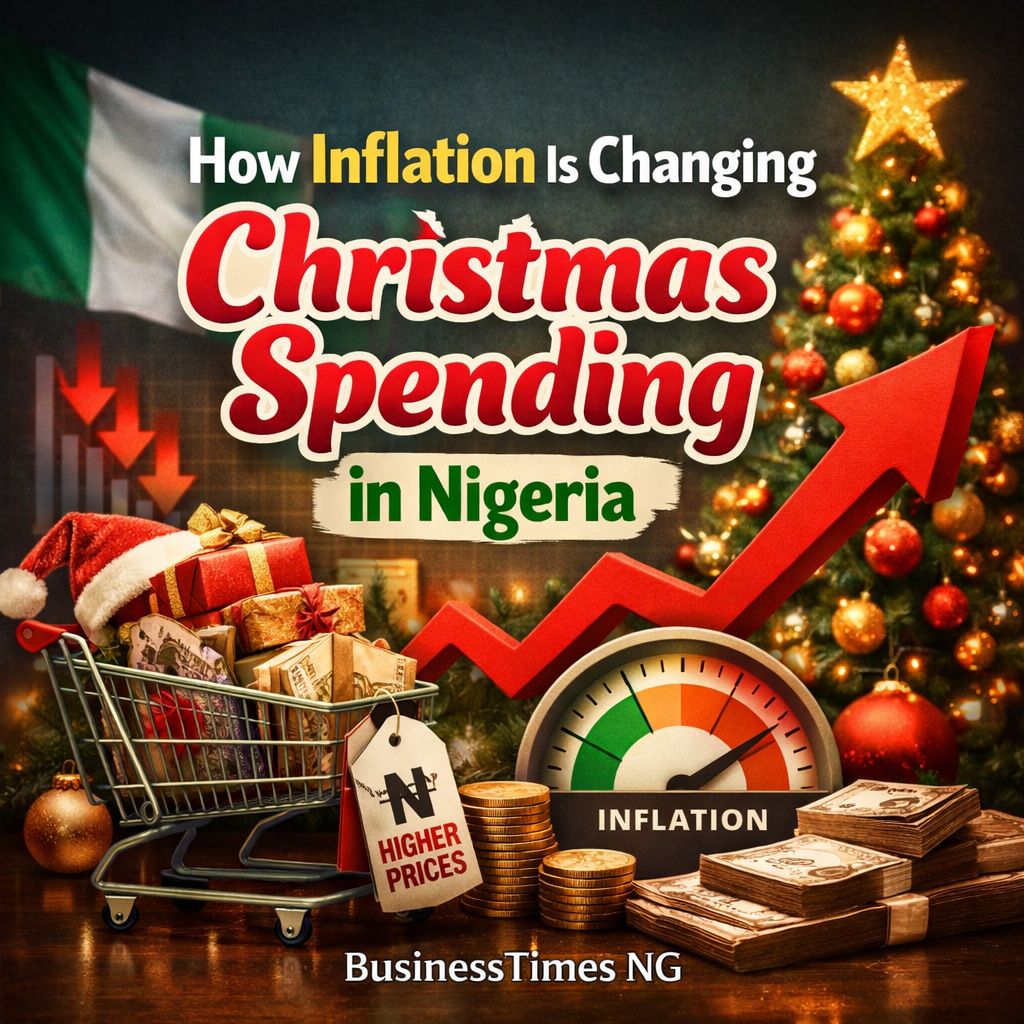
For many Nigerians, Christmas has always been a season of abundance – food-filled tables, new clothes, generous gifts, travel plans, and lively family gatherings. But in 2025, the festive season feels noticeably different as inflation has quietly but firmly reshaped how Nigerians celebrate Christmas, forcing families, businesses, and even traditions to adjust to new economic realities.
This year, Christmas is less about excess and more about survival, careful planning, and redefining what celebration truly means.
What Inflation Really Means for the Average Nigerian
Inflation simply means that money buys less than it used to. When prices rise faster than income, people are forced to cut back.
In Nigeria, inflation has affected almost everything that defines Christmas:
- Food items like rice, chicken, tomatoes, and cooking oil
- Transportation fares for interstate travel
- Clothing and shoes
- Electricity and fuel costs
- Entertainment, events, and outings
A pot of jollof rice that cost ₦15,000 two Christmases ago may now cost over ₦30,000. For many households, this isn’t just inconvenient, it is overwhelming.
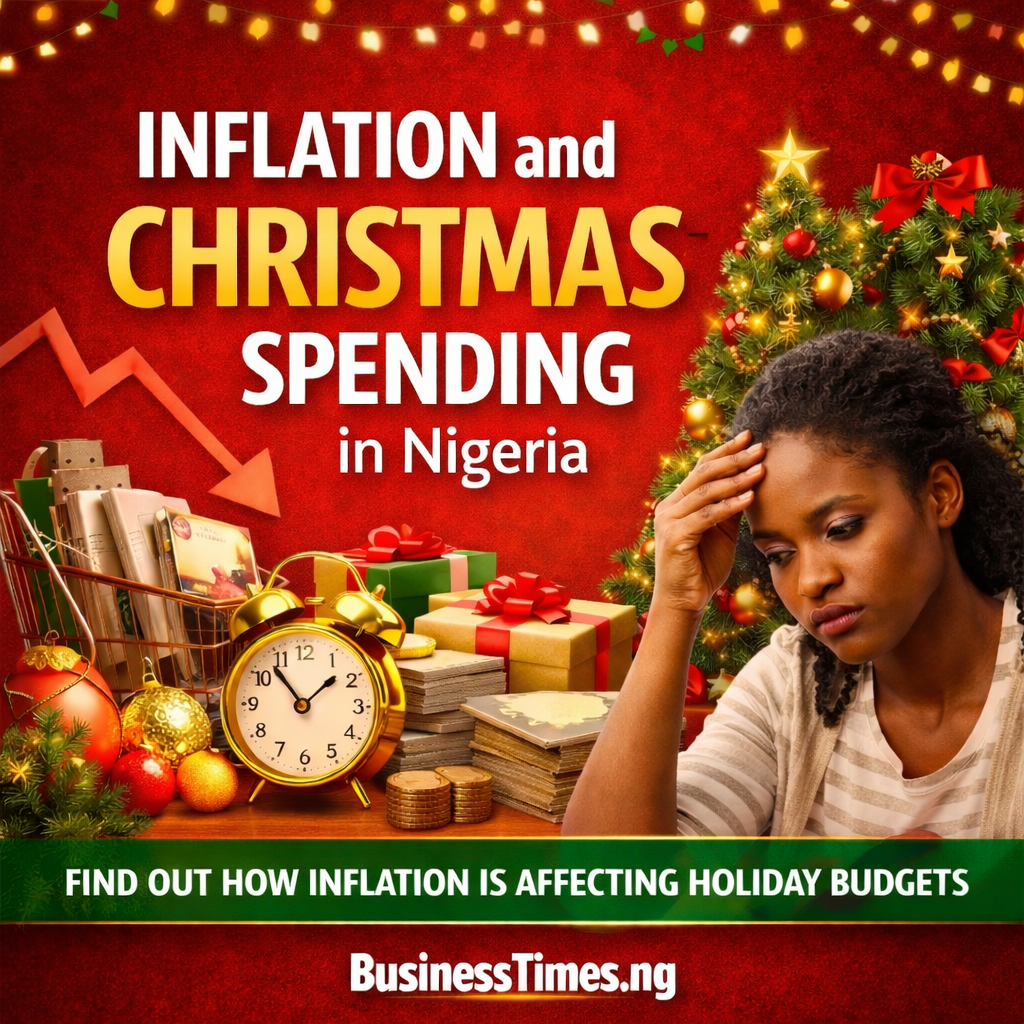
Inflation is Shrinking Christmas Budget
Across Nigeria, families are quietly adjusting their festive budgets.
Instead of preparing multiple meals, many households are choosing just one “special” Christmas meal. Travel plans are being cancelled or postponed. New clothes are replaced with neatly ironed old ones. Gift lists are shorter, or entirely scrapped.
For some families, Christmas spending has shifted from celebration to prioritizing essentials like rent, school fees, and healthcare.
A Shift from “Showing Off” to “Staying Alive”
In previous years, Christmas often came with social pressure – the pressure to host, to give, to look successful.
This year, that pressure has softened.
More Nigerians are choosing peace over performance. The focus is gradually shifting from impressing others to staying financially afloat. Quiet celebrations at home are replacing large gatherings, and many people are embracing simplicity without shame.
Businesses Are Feeling It Too
Inflation hasn’t only affected households, it has reshaped business behavior during the festive season.
Retailers report slower sales compared to previous years. Customers now ask more questions, bargain harder, and buy smaller quantities. Luxury items are selling less, while essentials move faster.
Many small businesses are responding by:
- Offering smaller package sizes
- Running modest discounts
- Accepting flexible payment methods
- Promoting value over luxury
Christmas is still good for business, but it is no longer the guaranteed boom it once was.
How Nigerians Are Adapting Creatively
Despite the challenges, Nigerians are doing what they do best – adapting.
Some families are:
- Cooking together to reduce costs
- Pooling resources with extended family
- Shopping early to avoid December price hikes
- Focusing on experiences like shared meals and prayers rather than material gifts
Entrepreneurs are also pivoting – selling affordable hampers, offering budget-friendly services, and using social media to reach cost-conscious customers.
What This Inflation Means for the Future of Christmas in Nigeria
Inflation may be changing Christmas spending, but it is also reshaping values.
This season reminds us that celebration doesn’t always mean excess. It can mean gratitude, connection, and resilience. It can mean showing up for loved ones emotionally, even when financial capacity is limited.
If inflation persists into the new year, Nigerians may permanently redefine what festive spending looks like – more intentional, more realistic, and less driven by pressure.
Final Thoughts
Christmas 2025 in Nigeria is not cancelled, it is simply evolving.
While inflation has taken away some of the extravagance, it has also stripped celebrations down to their core: togetherness, reflection, and hope.
In many ways, this quieter Christmas may be reminding Nigerians of something powerful – that joy doesn’t always come from what we buy, but from who we share life with.
By: Nelly Nathan